Planning a side trip from Buenos Aires? Montevideo and Colonia del Sacramento are two of the easiest and most rewarding destinations to reach across the Río de la Plata, with quick ferries and plenty to explore. In this guide, we share the best things to do in Montevideo and Colonia—from historic streets to local eats—and what made our visit extra memorable. It was actually our first time using Couchsurfing, and the experience was incredibly warm, safe, and welcoming, giving us an even deeper connection to both cities.
7 reason to visit Montevideo & Colonia del Sacremento (from Buenos Aires)
-
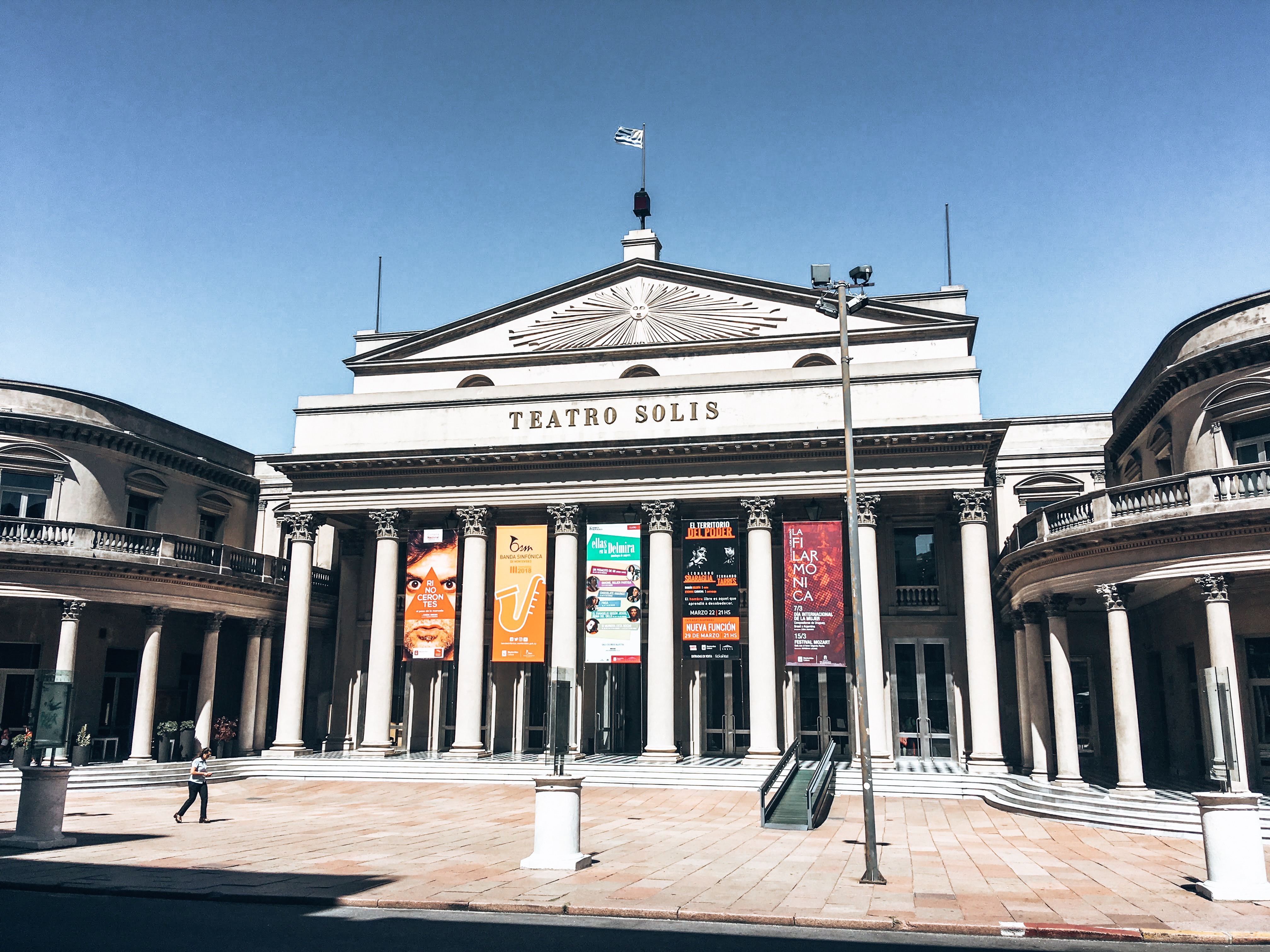
Teatro Solís – The largest theatre in South America, still hosting world-class shows.
-
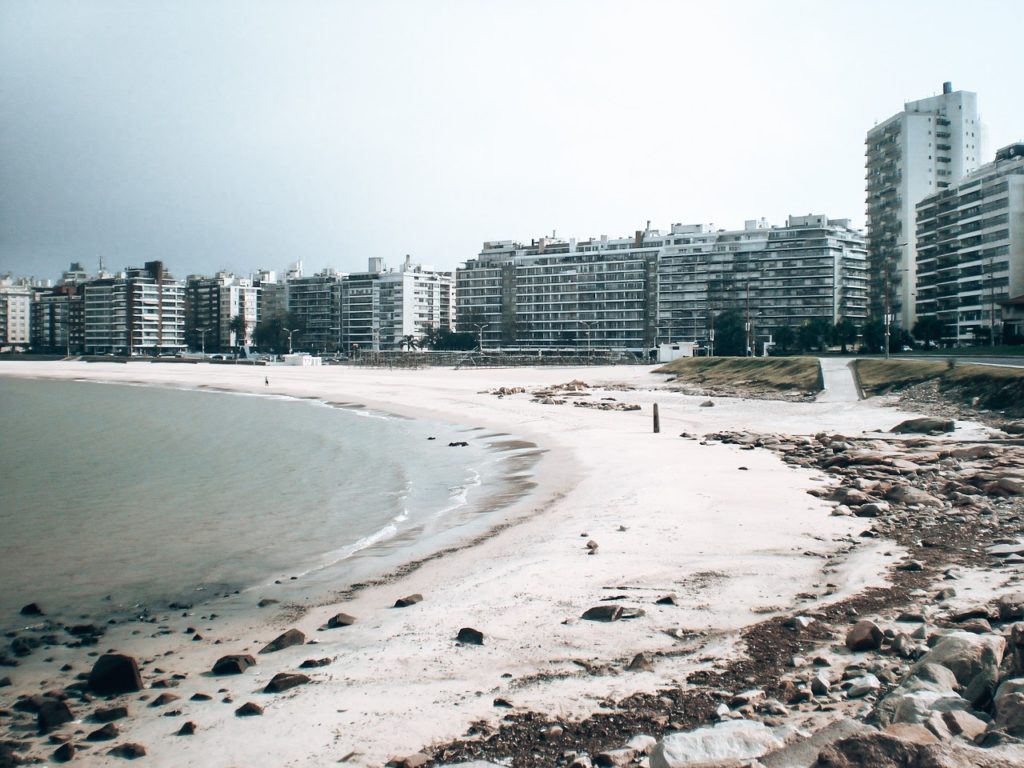
The Rambla – A 13-mile waterfront promenade perfect for walking, cycling, or people-watching.
-
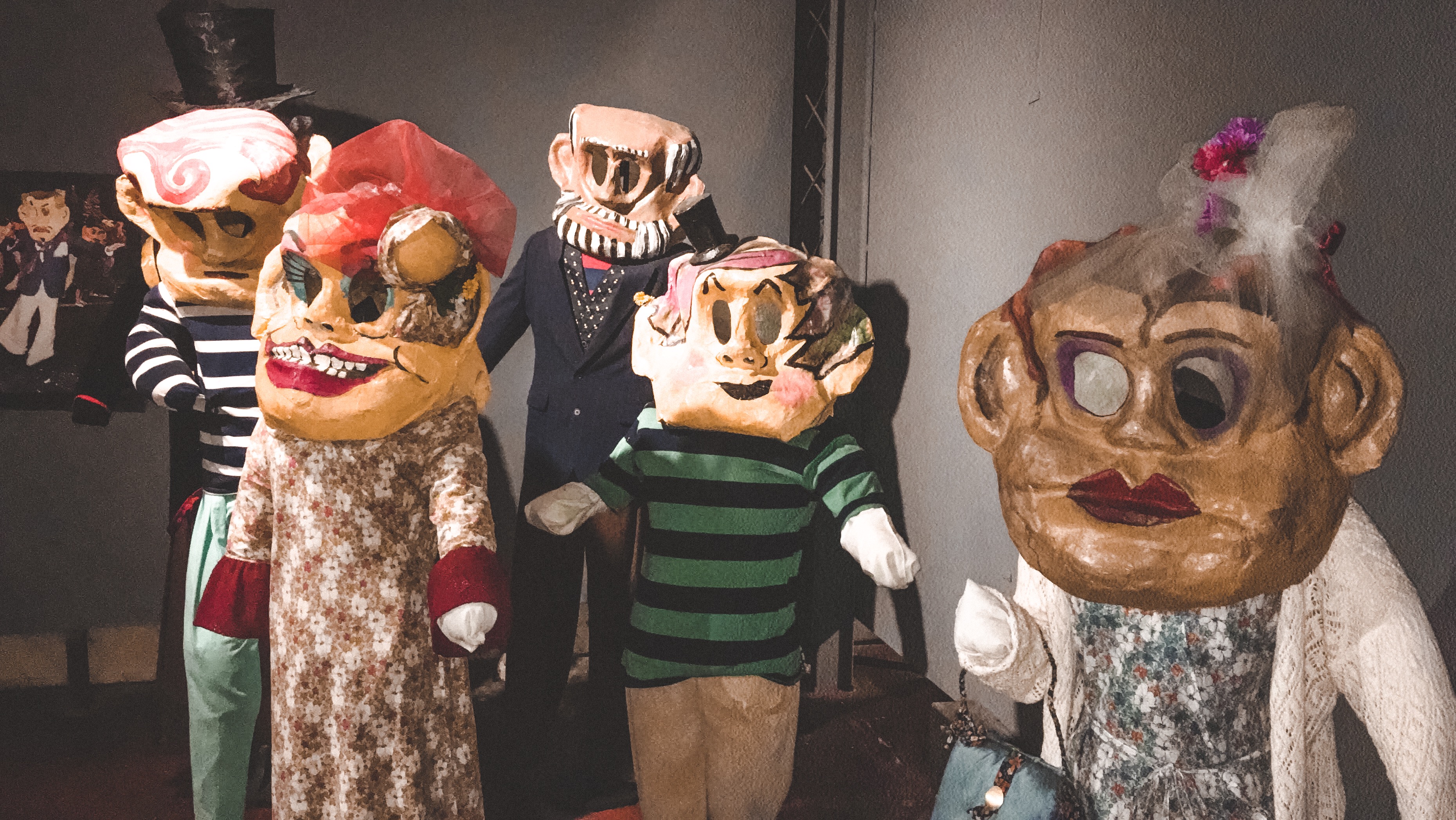
Carnival fun – Montevideo’s 40+ day Carnival is one of the longest in the world and features quirky “murga” musical performances you won’t see anywhere else.
-
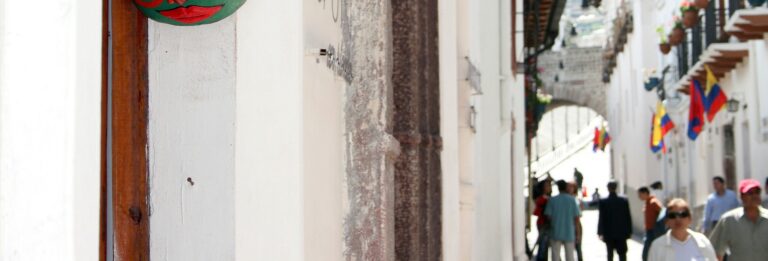
Historic charm in Colonia – A UNESCO World Heritage Site with cobbled streets and colonial buildings dating back to 1680.
-
Portuguese + Spanish flair – Colonia’s architecture is a unique blend, giving it a storybook feel.
-
Step back in time – Parts of Colonia’s Old Town are car-free, letting you explore at a relaxed pace. By foot or in a funky little golf buggy!
-
Compact & walkable – Both cities are easy to explore in a day or two, making them perfect for a quick getaway from Buenos Aires.
Fast ferry connections — how to get there
Getting the ferry from Buenos Aires to either Montevideo or Colonia del Sacramento is super easy. We booked our tickets online in advance (pretty sure we used Buquebus, although Colonia Express and Seacat are the other popular options) and travelled as foot passengers. If you’re taking a car, make sure to check availability, as not all routes or companies allow vehicles. The process is straightforward: arrive at the ferry terminal with your passport, check in, and go through a quick border control before boarding. You can compare companies and schedules on Rome2Rio (https://www.rome2rio.com) or book directly through Buquebus (https://www.buquebus.com).
Easy day-trip or overnight option
If you’re trying to fit Montevideo, Colonia del Sacramento and Punta del Este into one short trip, it is technically possible to do it in two days with the ferry crossing from Buenos Aires—but it would be extremely rushed. Each place deserves time, and travel between them adds up quickly. A multi-night trip is much more realistic and lets you enjoy each destination without racing the clock. With a few extra days, you can explore Montevideo at a relaxed pace, wander the historic streets of Colonia, and even add a beachy escape to Punta del Este without feeling like you’re constantly on the move.
Top things to do in Montevideo
Montevideo is Uruguay’s capital and home to half of Uruguay’ entire population. It has a very laid-back vibe and is lined by a long stretch of beach. More inland, the city is full of culture, with a well-preserved old town and lots of spots to seek out. Check out our recommendations below.
Rambla & Waterfront stroll
Historic old town
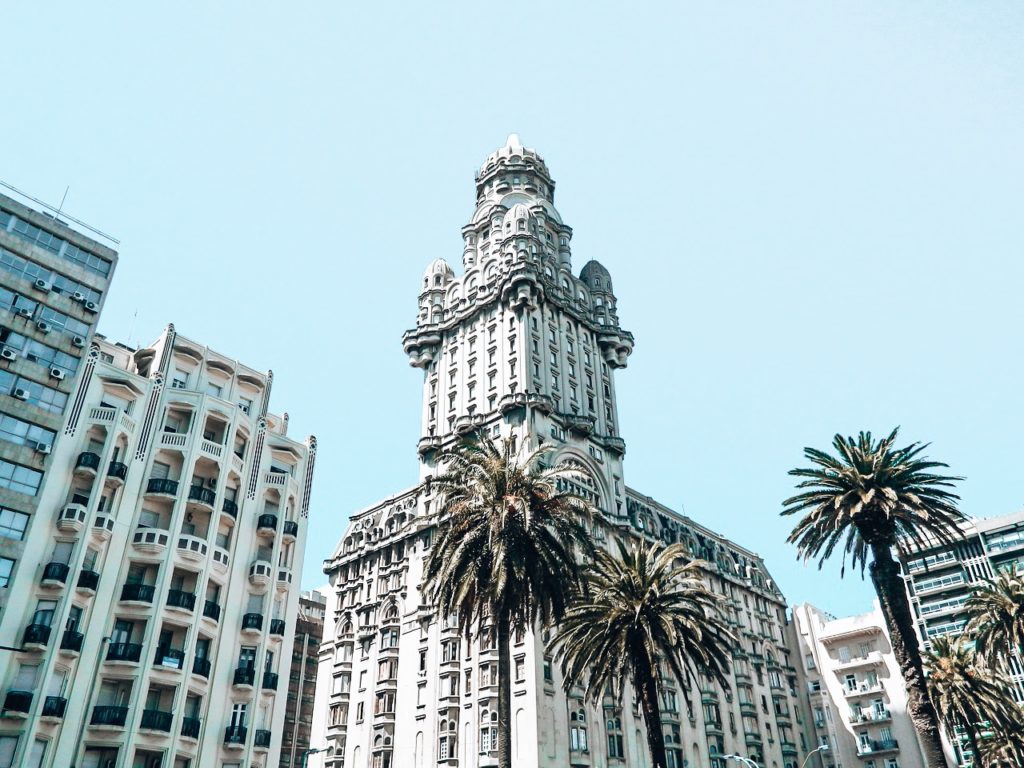
A trip to Montevideo isn’t complete without visiting the city’s main plaza. From here, you can visit most of the old town’s attractions, such as Teatro Solis and Palacio Salvo.
The Culture
Teatro Solis
This is the second biggest theatre in the whole of South America and is, of course, important to Uruguay. It mainly hosts opera shows, but concerts can also be watched in this 1500-capacity theatre.
![]()

Museo del Carnaval
Uruguay hosts the longest carnival in the world, so this museum is a great opportunity to learn all about its carnival history and customs. Visit here to check out some of the fabulous outfits and instruments used!

Food & Drink, Local life & Chilled Vibes
El Puerto Market
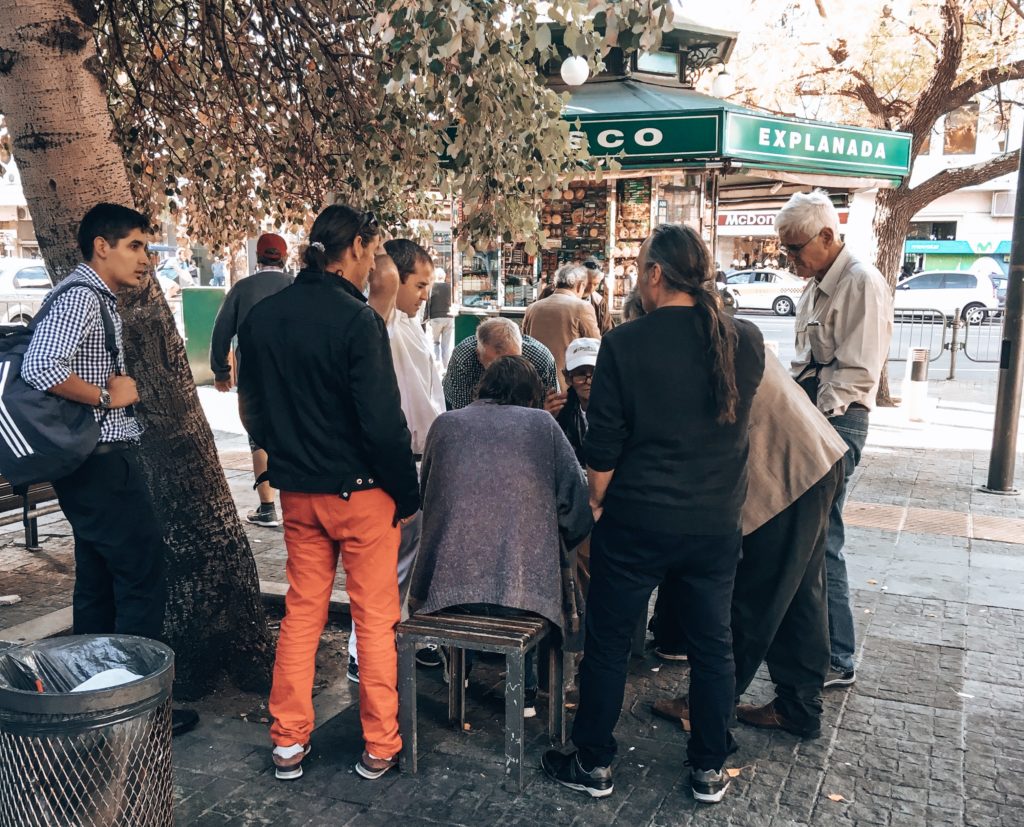
Once home to a fruit and veg market, this is now a great place to find a restaurant to rest in and soak up Uruguay’s culture. You may also catch a few locals playing chess on the street!
Experience a Candombe
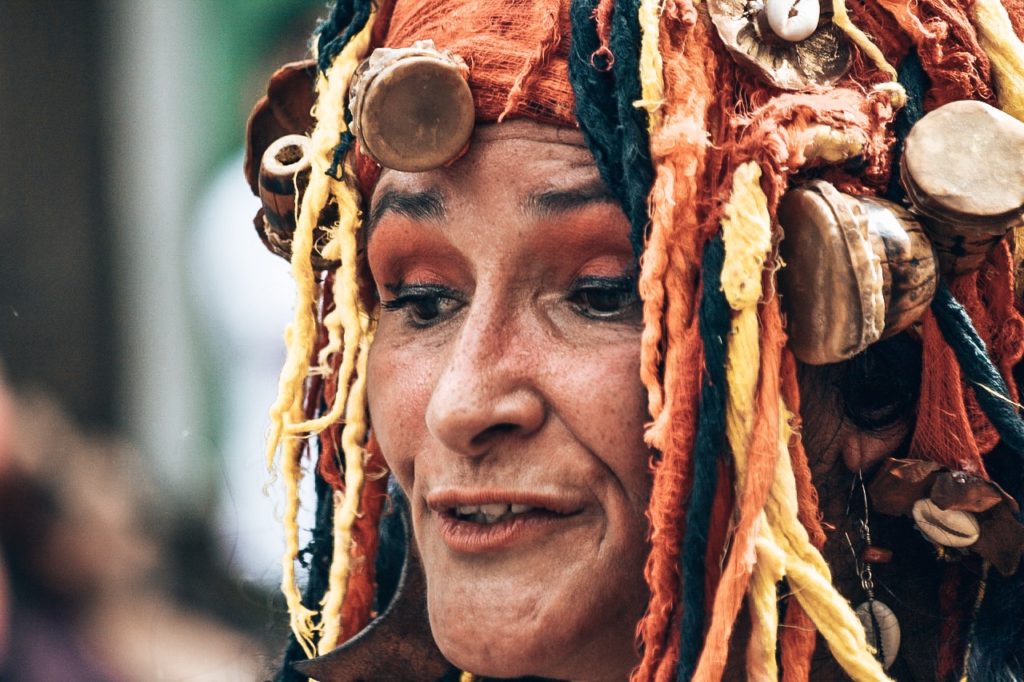
Candombe is a music and dance piece involving drums being played along the streets, which was first brought over to South America by African slaves. Have a hunt or ask a local about any playing whilst you are there, otherwise, if you are in Montevideo on a Sunday, you can experience one at 7 pm in the Palermo district.
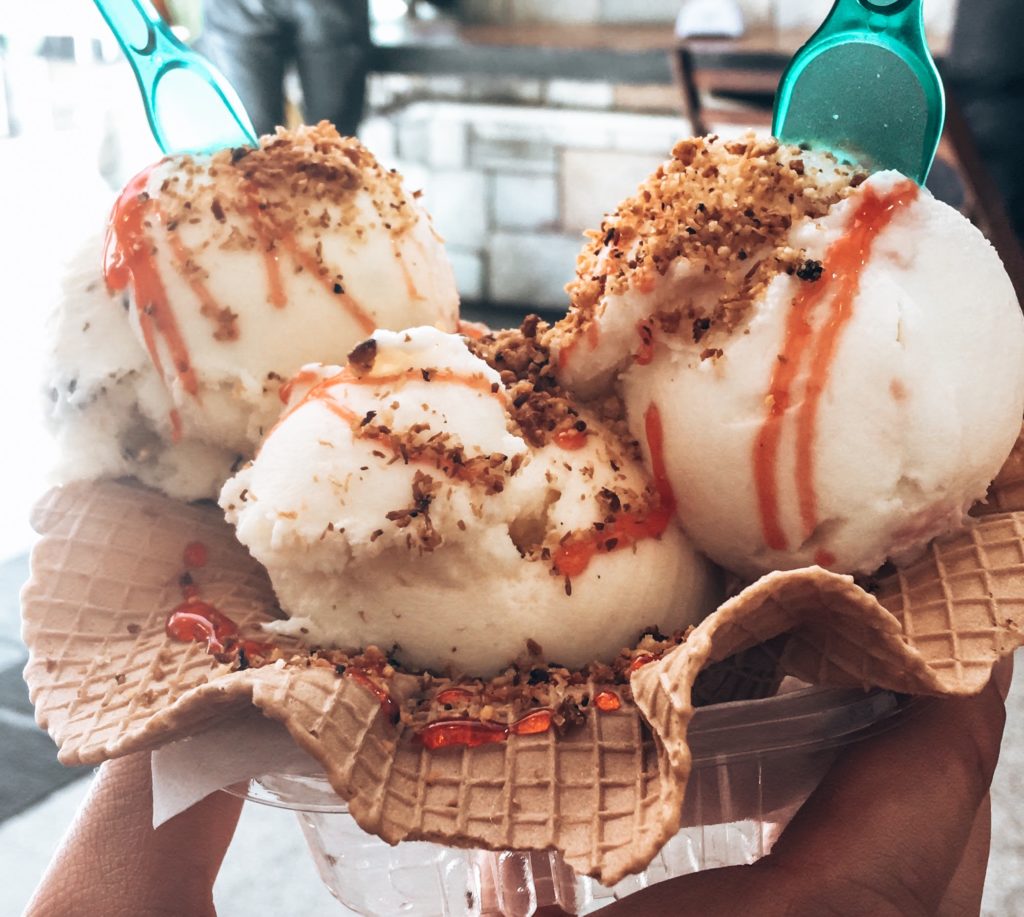
Piwo Helados
Great for a delicious pit stop whilst exploring the city, Piwo Helados has amazing ice cream in many different flavours. Highly recommended!
Must-see and Hidden gems in Colonia del Sacremento
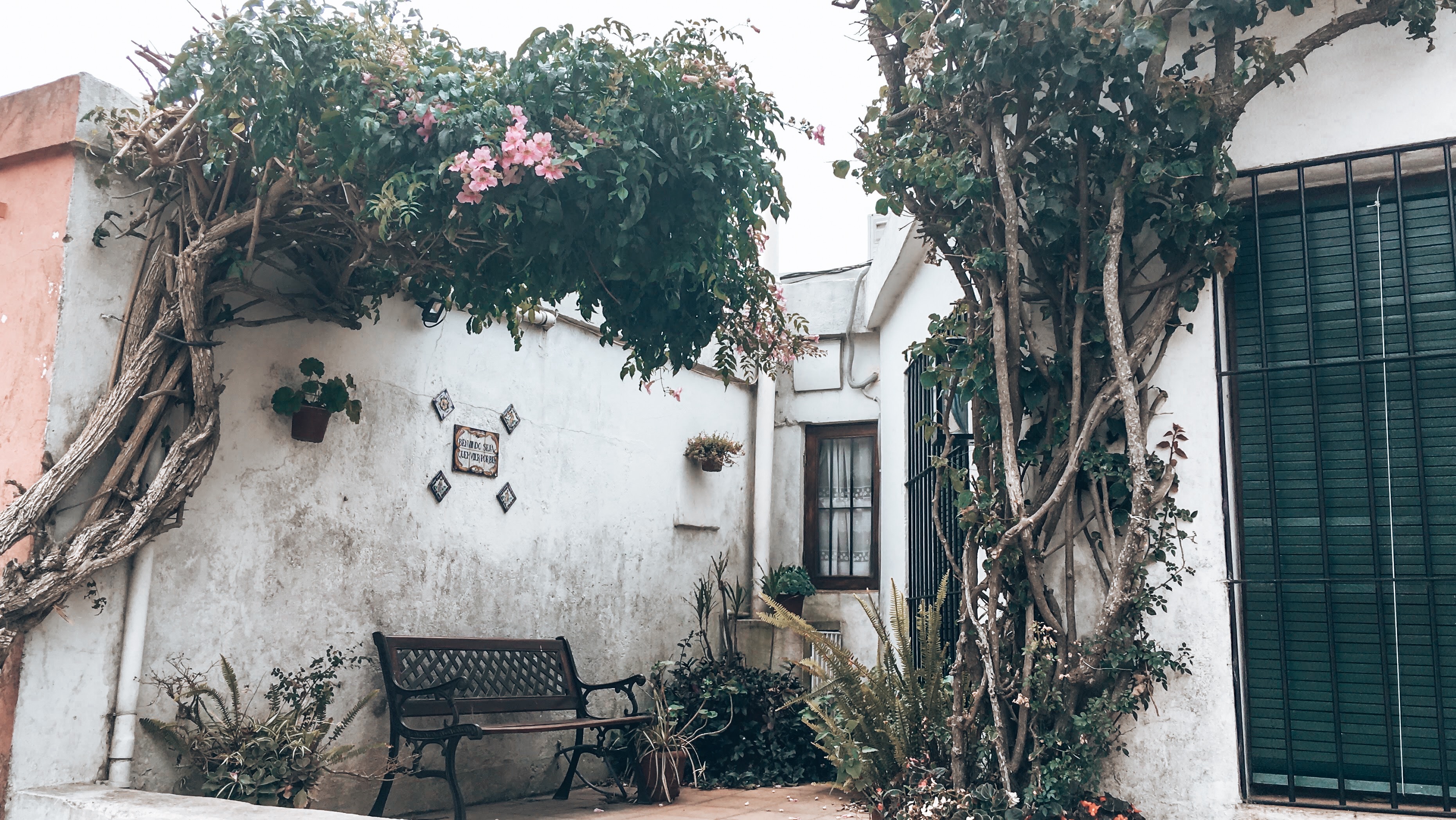
Stepping into Colonial Del Sacramento’s old town is like stepping back in time. From the second you enter the time capsule through the old original gate and step out onto the original cobbled streets and look around at the buildings with their cracks that tell a thousand stories, you know that Colonia del Sacramento is special. This is a place that is best enjoyed by just naturally strolling around, but we will help steer you in the right direction with our suggestions…
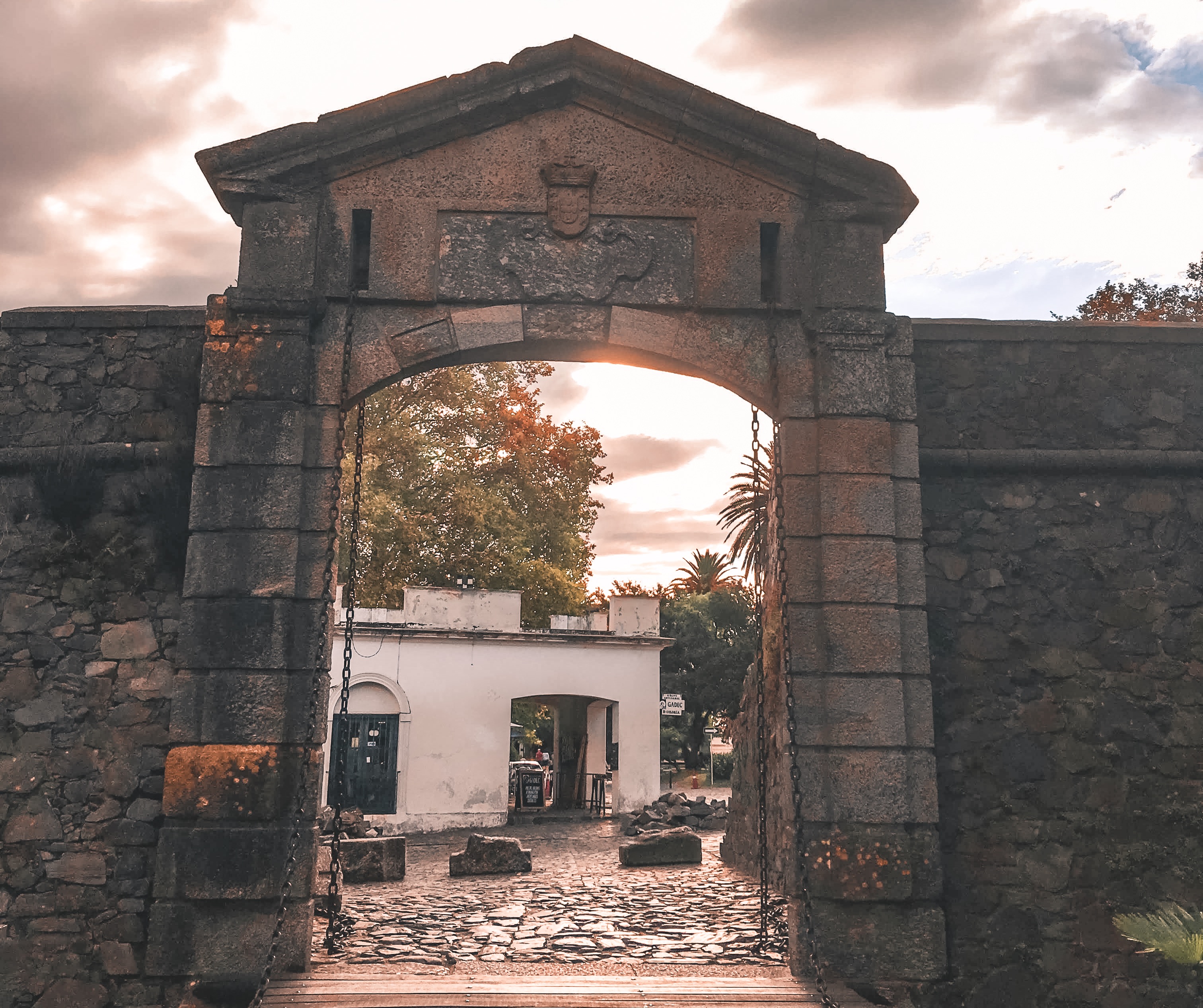
Original City Gate and Wall
Upon entering the old town of Colonia, the first thing you will see is an old gate and walls where the moat used to be. Once past the gate, you can go up to the top of the walls to experience the view the soldiers would have had next to the cannons.![]()
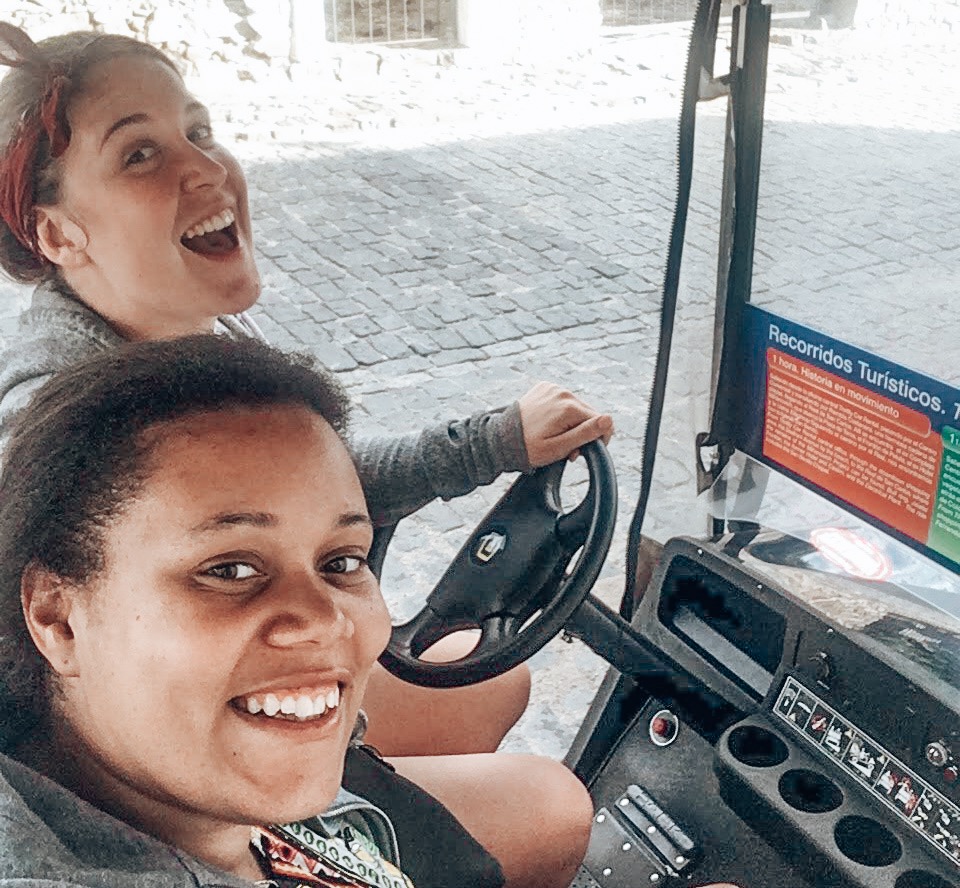
Hire a Golf Buggy
One of the ways to explore the cobbled streets of the old town is by hiring a golf buggy. Some of them even look like vintage cars! Definitely a fun way to enjoy Colonia. Viaggio seem to be the main suppliers for the buggies!
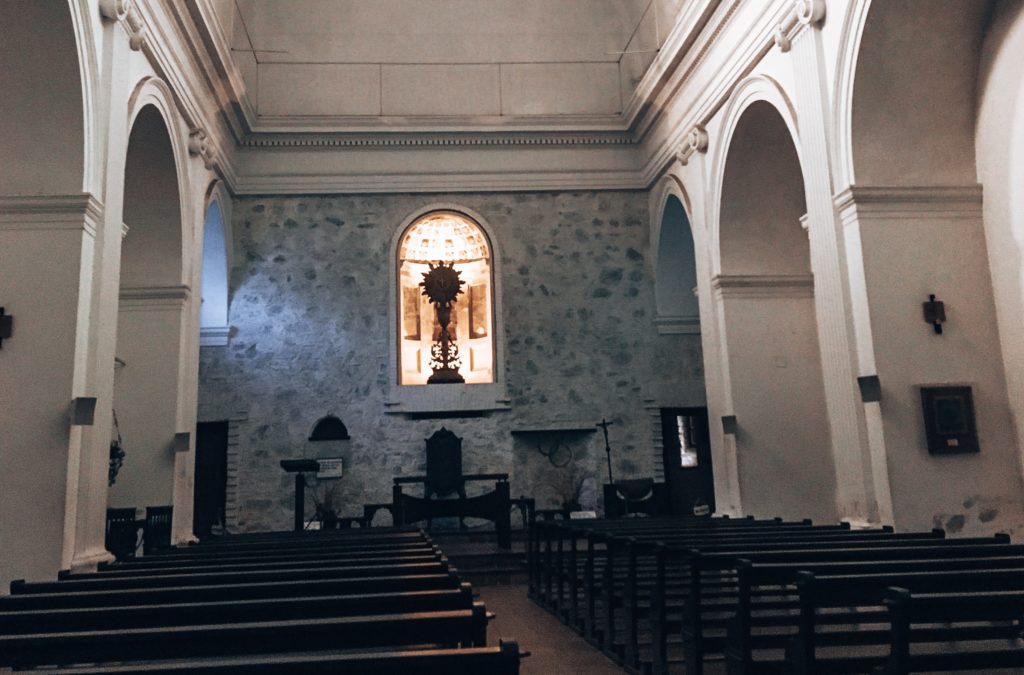
Iglesia Matriz
Colonia is home to the oldest church in Uruguay, so it’s worth popping into Iglesia Matriz for a quick look around.

Stroll around the old town
The old town of Colonia doesn’t need much instruction; the best thing to do is just take a stroll around the streets and discover the charm of this town for yourself. One street we would recommend going down, though, is La Calle de los Suspiros, which means street of sighs – named this as the street was once full of prostitutes, and all you could hear was the sound of men sighing. Here you can also find the Gallery of Sighs, which has the original thatched ceiling.
The Lighthouse
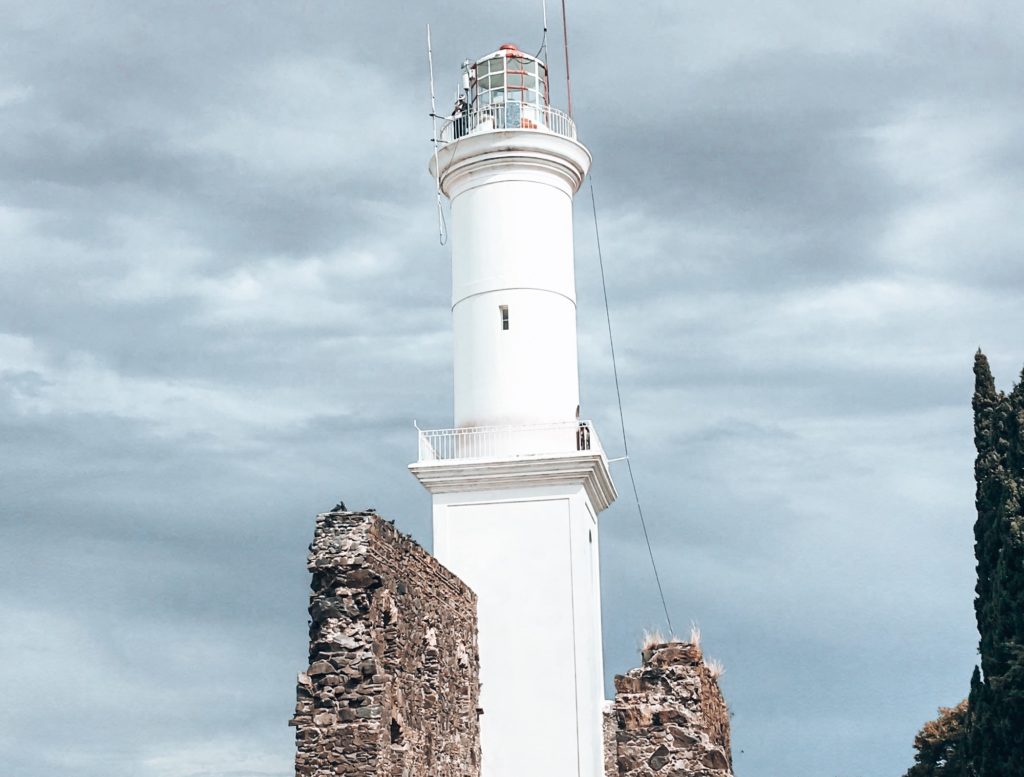
There is a lighthouse in the middle of the old town; it’s very cheap to enter so head up to the top to enjoy the views of the town and sea.
Collection museum
Outside of the old town is a somewhat strange attraction, but it is definitely worth seeing. Where else are you going to see the biggest collection of pencils in the world? The collection museum is full of trinkets collected by Mr. Emilio Arenas Florin, most impressively, the pencil, perfume bottle, and matchstick box collection. There’s also a cute shop with different spreads and cheeses to try.

Accommodation in Uruguay: Our Couchsurfing Experience
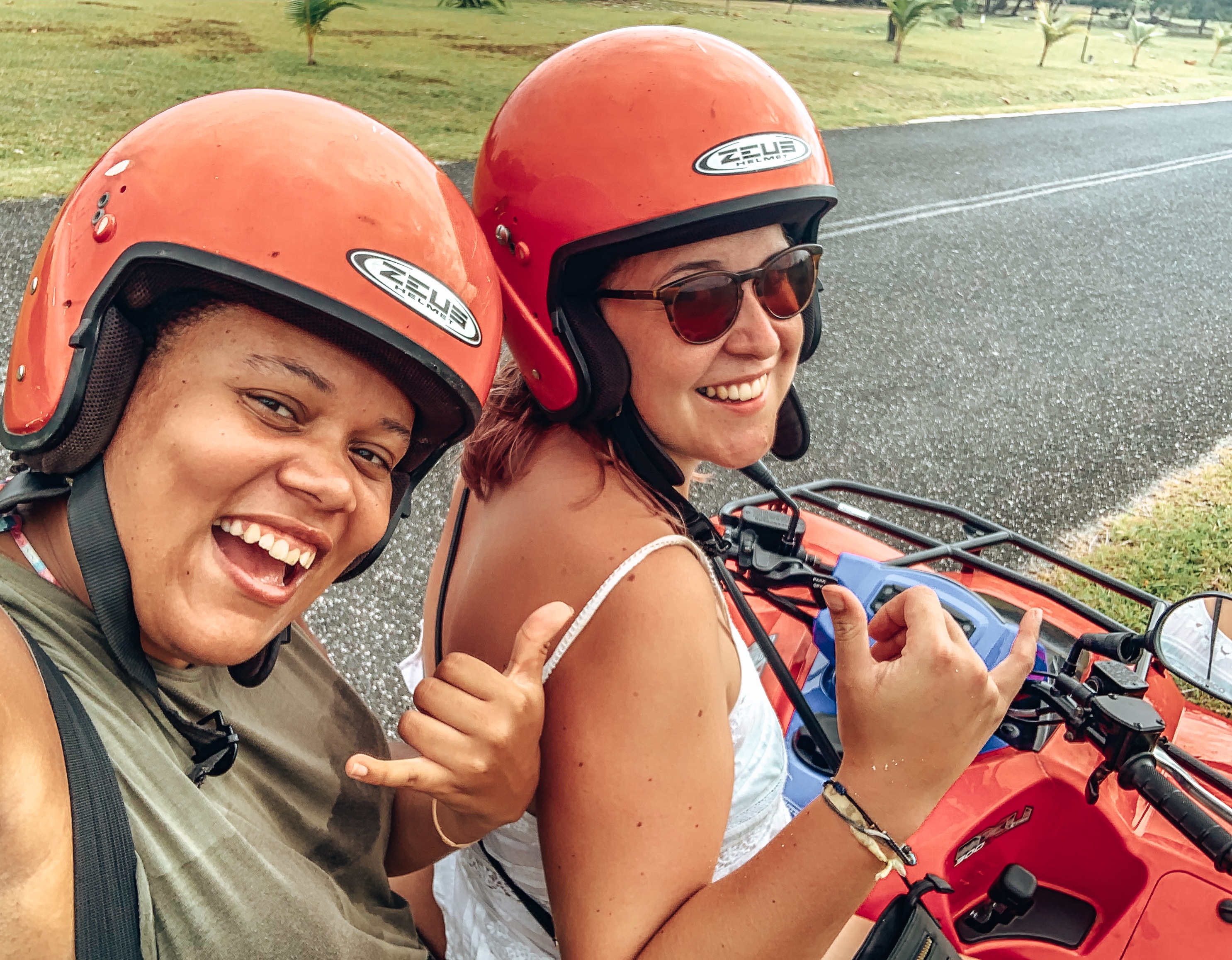
During our time in Uruguay, we discovered how rewarding Couchsurfing can be—not just for stretching your budget, but for experiencing the country like a local. We found three last-minute Couchsurfing stays, including one host who also listed his home on Airbnb. He loved meeting travelers from around the world and sharing life in Uruguay.
The highlight was in Punta del Este with Eduardo. He had built his wooden house with intricate carvings and decorations made from local shells and glass bottles. We cooked a roast dinner together—after nearly two months on the road, it felt like home. Dessert turned into pancakes and my first attempt at Yorkshire puddings, which Eduardo loved so much we wrote the recipe down in a little book for him. Despite cloudy, drizzly weather, Eduardo drove us around all the main sights and even dropped us at the bus terminal—showing us that Couchsurfing can be as much about connection as it is about accommodation.
Final Thoughts
Uruguay surprised us with its charm, relaxed pace, and welcoming locals. From strolling Montevideo’s waterfront to wandering Colonia’s cobblestone streets, and sharing meals with hosts like Eduardo, it’s a country that rewards curiosity and openness. Whether you’re traveling on a budget or just looking to experience life like a local, Uruguay—and Couchsurfing—offer memories that linger long after the ferry ride back to Buenos Aires.